
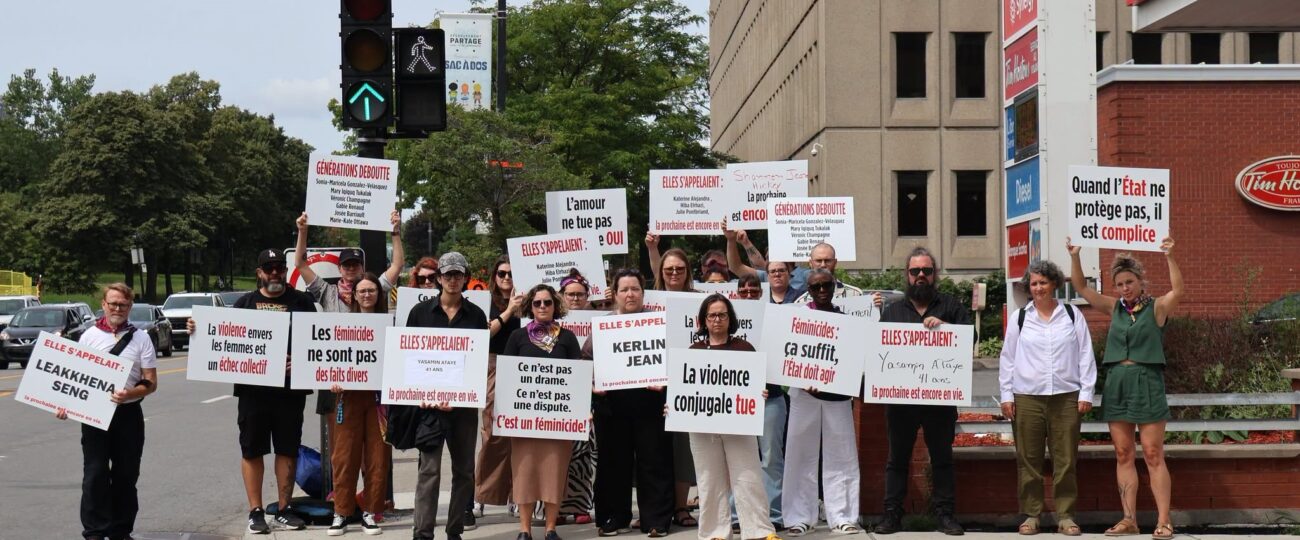
In Quebec, 2026 has already been tragically marked by a record number of femicides. They are not isolated acts: they are part of a continuum of violence and power relations that demand a collective and political response.
We speak of a continuum of violence to encompass all the forms of violence women experience, from everyday microaggressions to extreme forms of violence, such as murder. Approaching the issue from this perspective allows us to emphasize how these different forms of violence are interconnected and to understand them as part of a system of discrimination based on sex and gender.
Regardless of its form, intensity, or origin, violence is still violence, and we must fight it.
Women Are Mobilizing
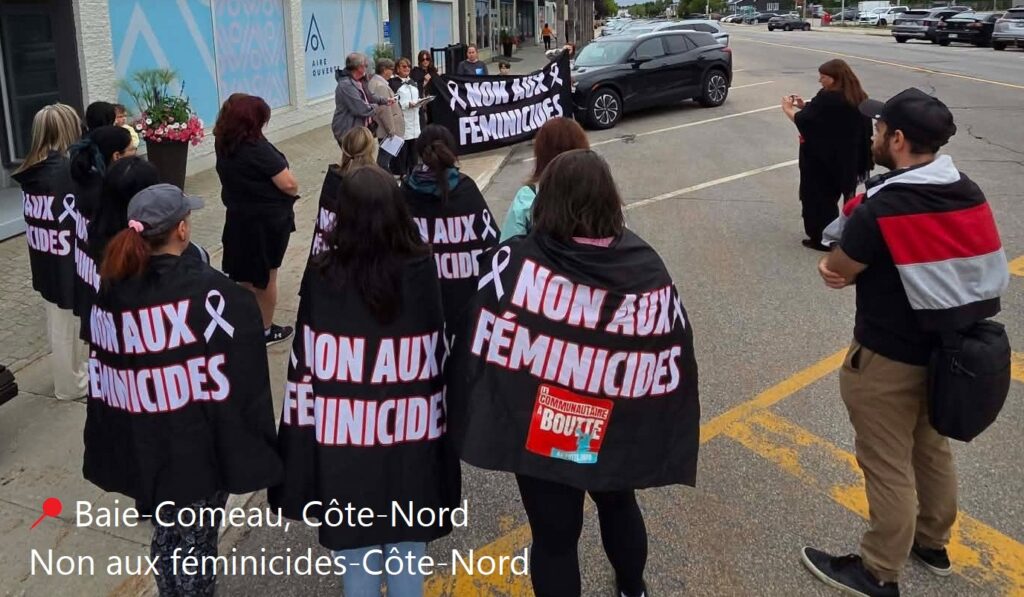
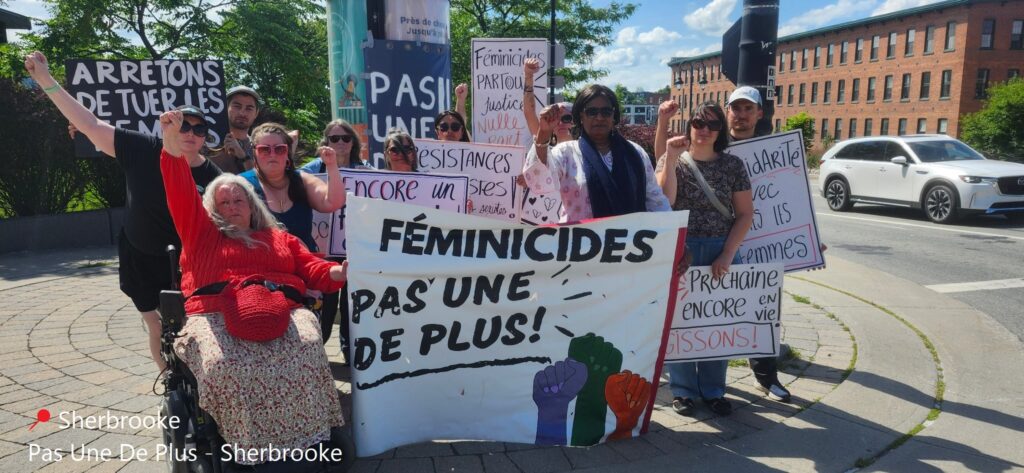
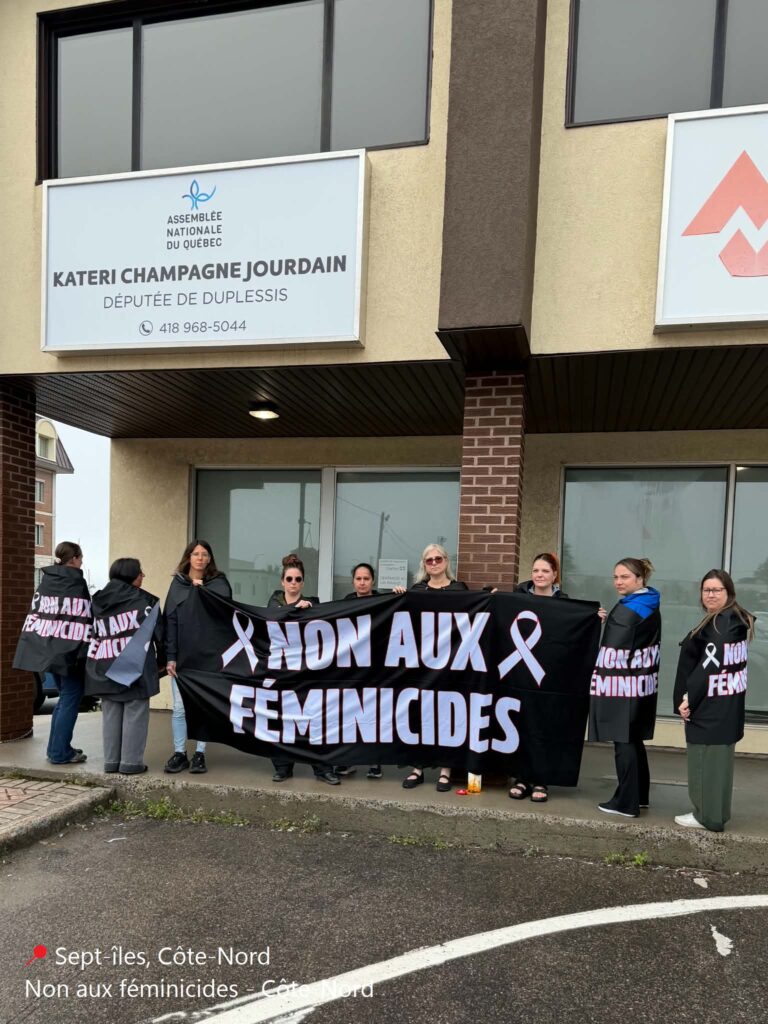
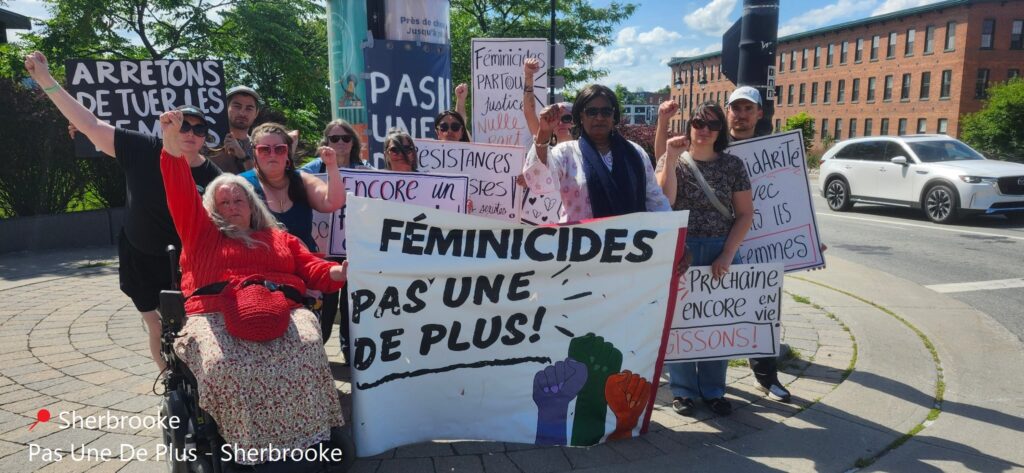
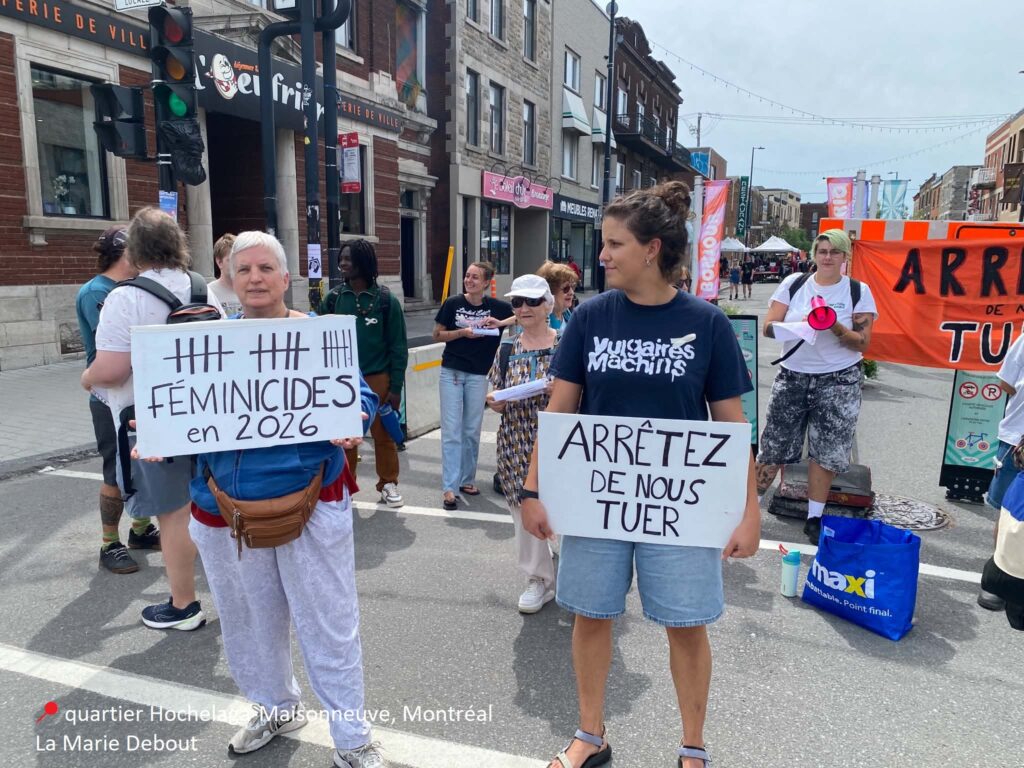
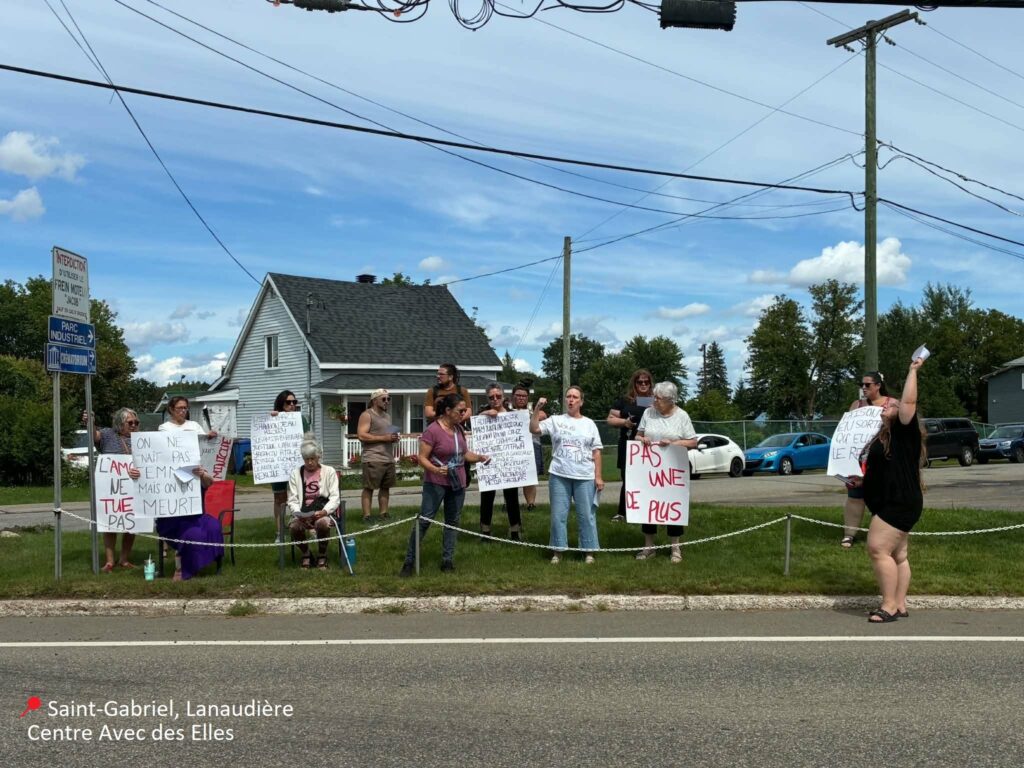
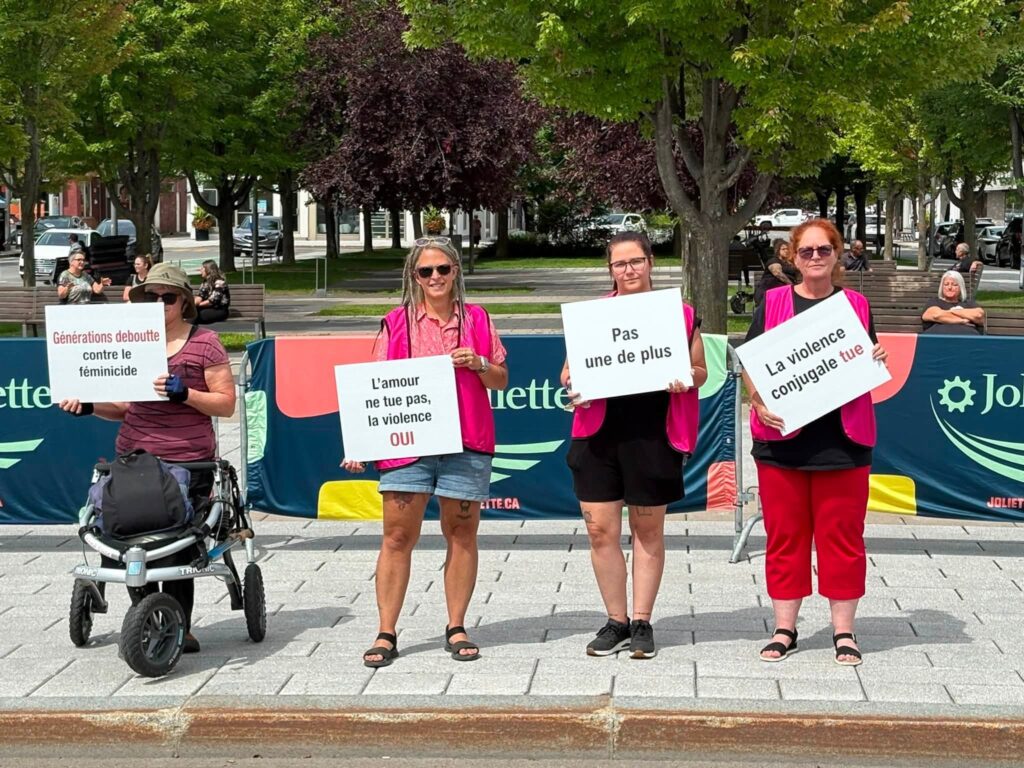
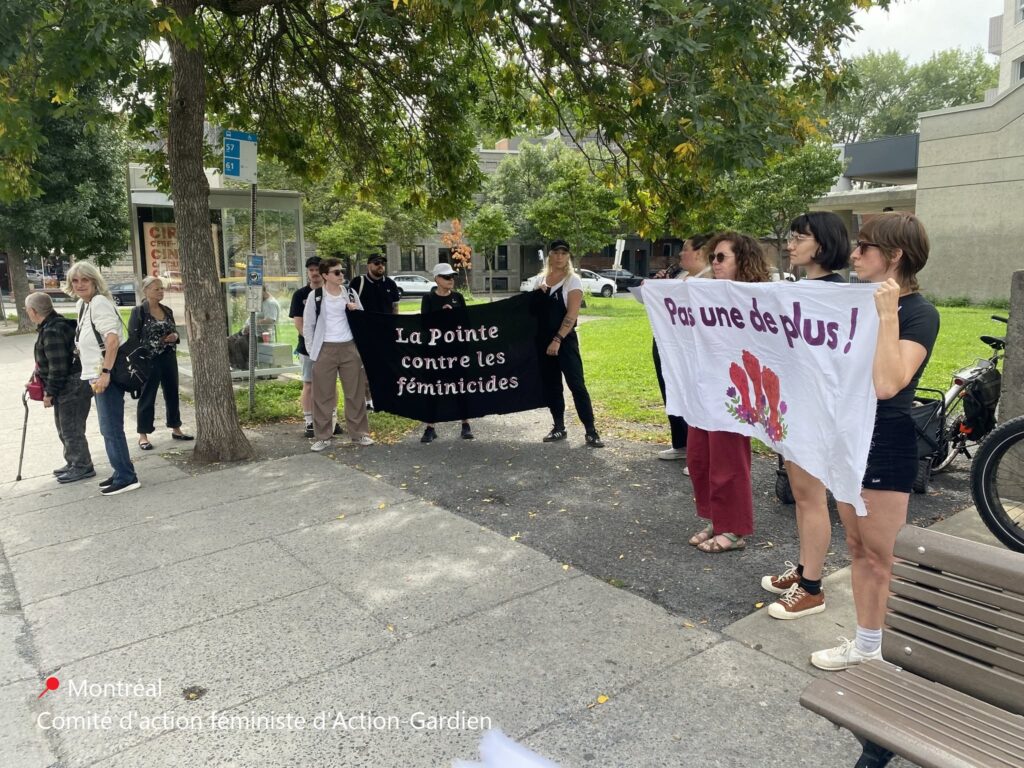
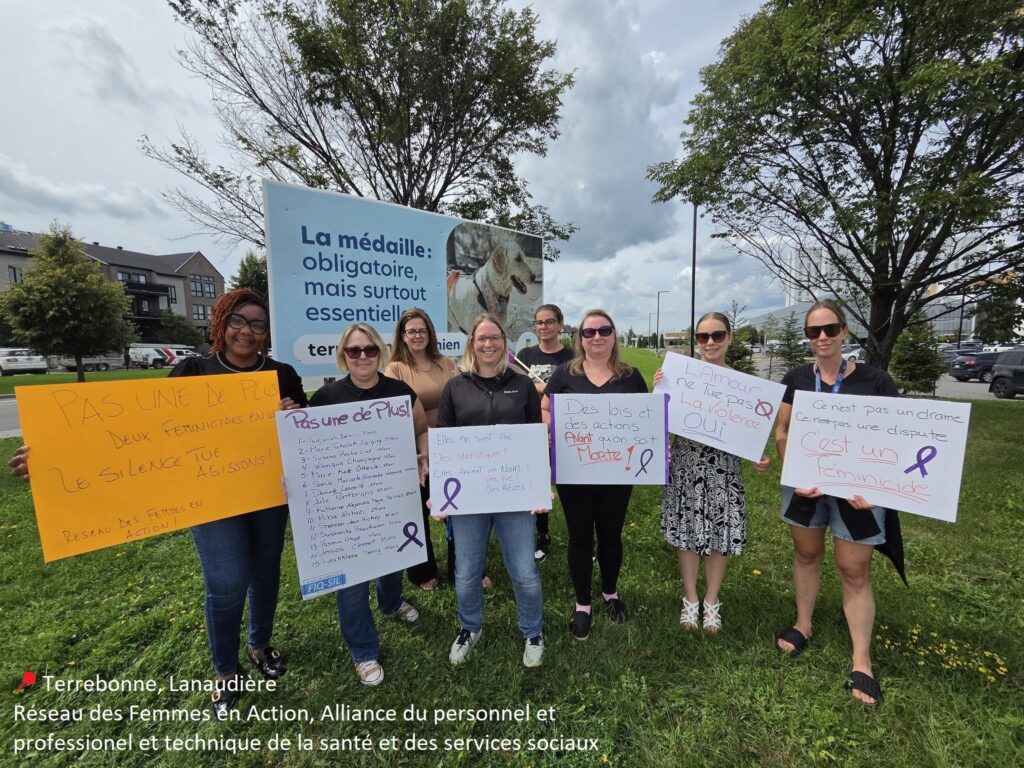
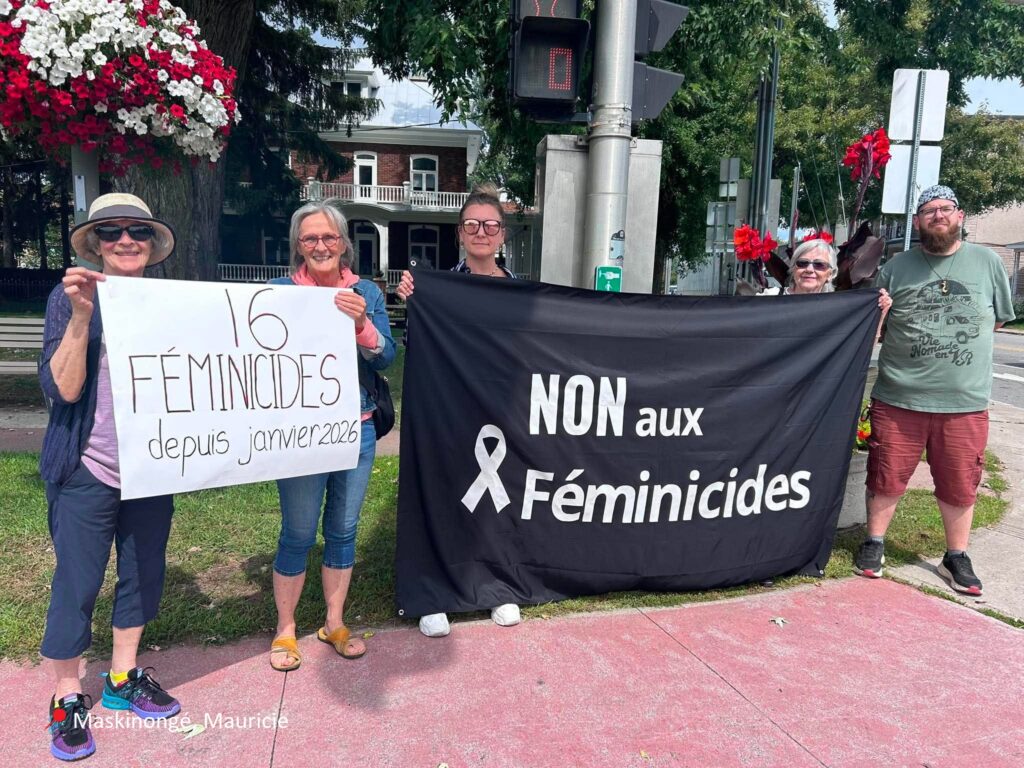
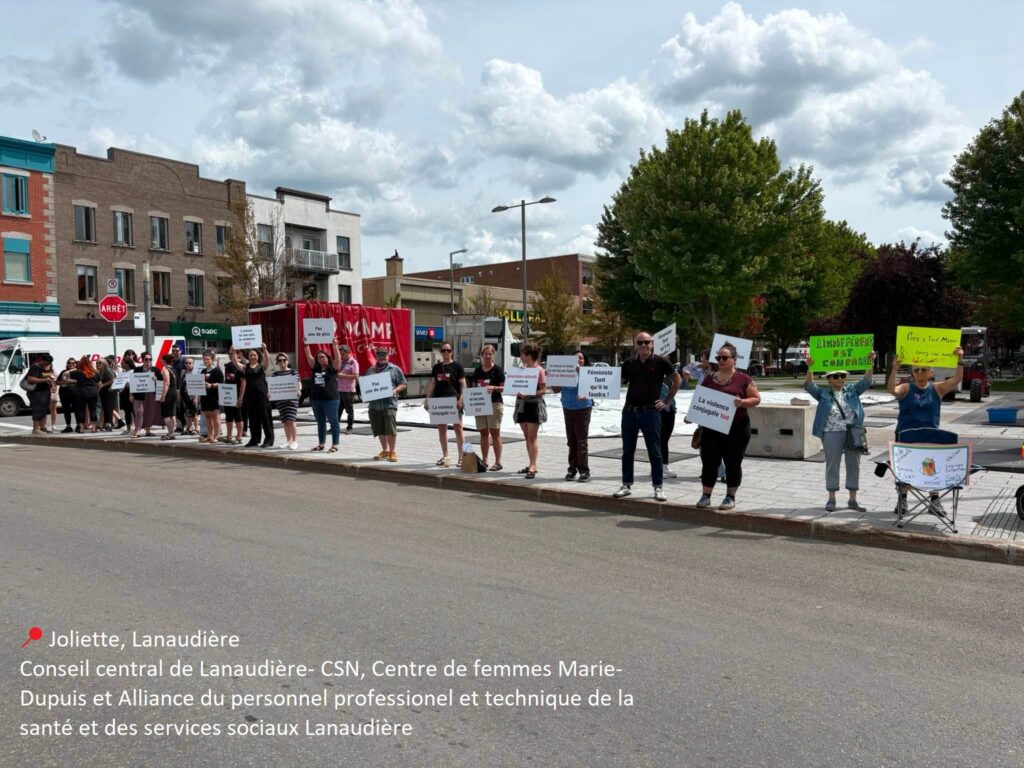
For several months now, resistance has been taking shape in Quebec. Across the province, feminist organizations systematically take to the streets in the wake of a tragedy. These mobilizations are autonomous, but most take place on the Thursday following a femicide. Sometimes the call comes from regional organizations; other times, the initiatives are local.
How These Calls to Action Began
The initiative that inspired these spontaneous mobilizations emerged around Quebec City area. A coalition of women’s groups began inviting people to gather at dinnertime on the Thursday following a femicide. The idea was to establish a routine that would make mobilization easier.
Little by little, the initiative inspired other feminist organizations across the province to adopt a similar approach. The idea is simple: stand at a busy intersection or along a major road during rush hour, making the action visible to drivers and pedestrians.
Today, whenever another killing is reported in the media, feminist groups in several regions quickly issue a call for a visibility action.
Three Femicides in Ten Days
In August, two femicides were committed less than 48 hours apart, just a few blocks from each other. Children witnessed their mothers being killed. As we began writing this text, a 17th woman, an Indigenous woman, was killed. A sense of powerlessness took hold of us, and the need to act mobilized us. Despite the holiday period, more than 17 actions took place in the same week to denounce this social problem. This is what we see on the signs. We read slogans such as “Ni Una Menos” [Not One Woman Less] and “The Next One Is Still Alive,” but above all, we see the names of the victims, so that they will not be forgotten.
Numbers That Are Far Too High
This is already shaping up to be a bloody year. So far, the number of femicides ranges from 14 to 17. For comparison, there were 16 femicides in all of last year, and September just started.
The media and feminist organizations do not always use the same criteria to define femicide, which explains the variation in the figures above. Some include, for example, forced suicide, femicide through denial of care, matricide, or killings related to stigmatized occupations. Despite these differences in definition, one thing remains the same: women are killed because they are women. Women at the intersections of oppression are tragically overrepresented among the victims: around two-thirds of them are racialized women.
During the Election Period, Women’s Lives Must Be a National Priority
As these lines are being written, the next woman is still alive. There are solutions that can prevent another tragedy. But for them to actually be implemented, women’s safety and lives must become a national priority, especially as an election period begins in Quebec. In an emergency, access to adequate services is essential. Funding for shelters and transitional housing must be increased, and investment is needed to open new facilities. Yet currently, one in every two requests for accommodation is turned down because there is simply not enough space.
Each member organization has its own demands. Inspired by the values of the WMW and the World Women’s Charter for Humanity, we affirm the need for a complete transformation of society and social relations. As we stated earlier, femicides must no longer be regarded as isolated or individual acts, but as a collective phenomenon. The solutions must therefore be systemic.
Strengthening women’s economic autonomy is a key protective factor. This requires major investments in social policies, improvements to programs that meet basic needs, and a strong commitment to developing social housing in response to the housing crisis affecting Quebec.
We are also deeply concerned about the regression in attitudes and the rise of masculinism, which promotes discourses of male domination and helps legitimize violence. This trend must be taken seriously: feminist values must guide our institutions and the political decisions that shape our society. The bloodshed must stop.
This Is Not About Losing Control
We are tired of men killing women because of an excess of control, not a loss of control. The media often use expressions such as “crime of passion” or “domestic tragedy,” reinforcing the myth that these acts are committed in moments of heightened emotion. Yet organizations specializing in intimate partner violence are clear: this violence is rooted in power relations and strategies of coercion. It is a form of control over women.
In extreme cases of femicide, it is crucial to understand that the act is driven by a desire for domination. That is why we insist that this is not about a loss of control, but an excess of control.
An International Problem Without Borders
Unfortunately, this situation is not limited to Quebec. Those reading us know that femicide is also a problem in their own countries. Gender-based violence and patriarchy know no borders: femicide is an international issue.
That is why we carry our struggles forward through international networks. Every killing of a woman is an act of violence against all women, here and elsewhere. Faced with a global problem, the response must also be global. It lies in our sisterhood and our solidarity. Our struggle is feminist. Our struggle is internationalist.