We greet you with the greeting of the land, the greeting of the homeland and of humanity. The greeting of Palestinian women who confront the Israeli war machine with their bodies. Revolutionary greetings to our people across historic Palestine.
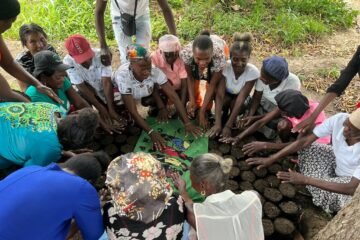
When we talk about resilience, we talk about Palestine. We talk about a land we do not merely inhabit, but one that holds a memory and a story. A land to which people have remained deeply struggle for it, generation after generation. We must talk about women and their relationship with the land. Women are the ones who sowed and harvested, who stored seeds and preserved crops, and who raised their children to know the land, its seasons, and its bounty.
That is why, when we talk about food sovereignty, we are not talking merely about food.
We are talking about our right to save our land, produce our own food, preserve our seeds, protect our resources, decide for ourselves what to grow and what to eat, and safeguard the rights of future generations.
In terms of the situation in Palestine, and especially in Gaza, three years into the genocide, people are still facing killing, starvation, displacement and extremely difficult living conditions. Israeli attacks continue to kill and injure Palestinians. Even after the ceasefire announced in October 2025, more than 1,402 Palestinians have been murdered. In just one week this September 2026, 35 Palestinians were killed, around five people every day.
Food entering Gaza remains restricted and insufficient. Many families still depend on humanitarian assistance, community kitchens and subsidized bread for their daily food. Large numbers of Palestinians have no homes to return to and continue to live in tents, temporary shelters and damaged buildings. Hospitals continue to operate with shortages of medicines, medical equipment and essential supplies, while treating people injured in attacks as well as people suffering from malnutrition, chronic illness and disease.
Nearly 90% of Gaza’s water and sanitation infrastructure has been damaged or destroyed, leaving many Palestinians without reliable access to clean and safe water. Only around 3% of Gaza’s agricultural land remains both undamaged and accessible. Around 97% of tree crops have been lost, together with 95% of shrubs and 82% of annual crops.
Children have lost almost three years of regular education. Many schools have been destroyed or damaged, while others have been used as shelters. Education is now taking place through temporary learning spaces and other alternative arrangements across Gaza. In the West Bank, settlement expansion, settler violence, land confiscation, demolitions and military restrictions have increased dramatically. Today, around 750,000 Israeli settlers live in the occupied West Bank, including East Jerusalem. Settlers are taking over Palestinian land and water sources. They attack communities, destroy and steal crops, take livestock and restrict access to agricultural and grazing land.
Roads are closed, gates are installed, and movement between Palestinian communities is becoming more difficult. Through all of this, the Israeli occupation is taking control of more Palestinian land, forcing Palestinian communities from their land and paving the way for further annexation of the West Bank. In the northern West Bank, more than 33,000 Palestinians remain displaced from Jenin, Tulkarm and Nur Shams refugee camps and the surrounding areas.
We cannot speak about Palestine without speaking about our prisoners. Around 9,350 Palestinians are currently held in Israeli prisons. This includes 90 women and more than 350 children. More than 3,000 are held under administrative detention, without charge or trial. Conditions inside the prisons have become much worse. Palestinian prisoners have reported torture, physical abuse, starvation and denial of medical care. At least 92 Palestinians have died in Israeli detention since October 2023.
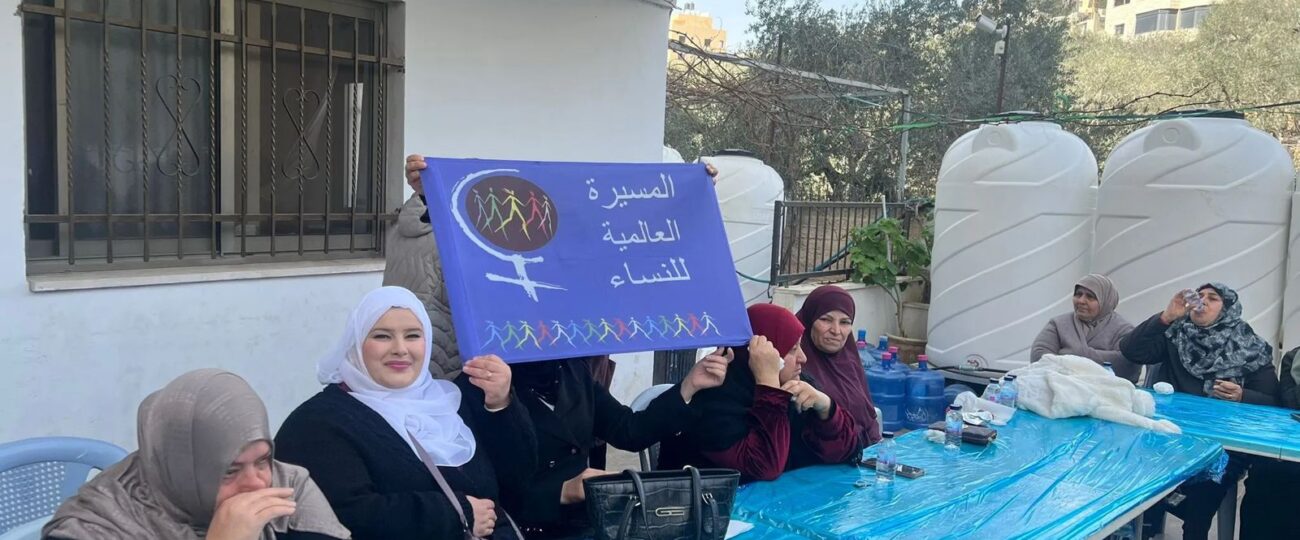
Just a few days ago, Palestinian prisoner Dana Joudeh gave birth to her daughter, Lia, while she was still a prisoner. She spent months of her pregnancy in prison, and even during the birth, she was kept in chains. Dana and her baby were released later. Dana and all Palestinian women have always been at the front of our struggle. They defend their land, their families and their communities. They organize, they resist, and they stand against displacement and the attempts to remove our people from their land.
They have always been, and will remain, a source of strength for Palestinian society and for our struggle for freedom.
These are some of the realities that our people are living today. But we are a people who love life. We love life whenever we can find a way to it. And this is also part of our struggle. After everything, we still choose life. We choose to remain. We choose to return. We choose to plant. We choose to rebuild. And we continue to struggle for our freedom. We want a future where Gaza lives. Where our prisoners are free. Where our people can return to their land. Where our farmers can plant their land and control their water, their seeds and their food. And where our children can grow up free from occupation, siege and fear.
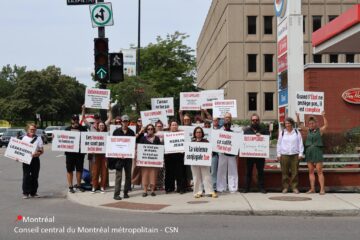
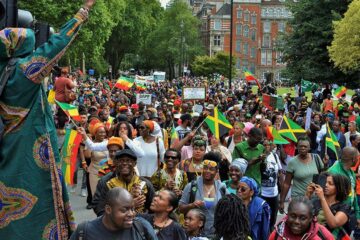
And these years have also shown us something very important: Palestine is not alone. Across the world, millions of free people have refused to remain silent. We have seen people in the streets, in universities, in trade unions, in farmers’ movements and in social movements standing with Palestine. This great solidarity reminds us that our struggles are connected. The struggle of the Palestinian people for land and freedom is connected to the struggles of peoples everywhere for land, justice, dignity and liberation.
We believe in the power of peoples. Glory to our martyrs. Freedom to our prisoners.
Long live the struggle of the Palestinian people. Long live the free people of the world who refuse to remain silent. Long live the unity of peoples. Long live international struggle. And long live a free Palestine.
The identities of the authors of the text have been withheld for their safety.