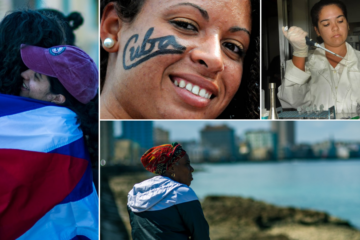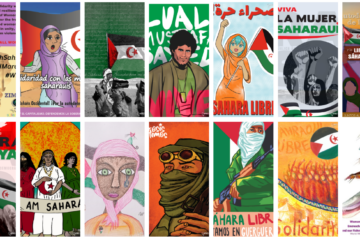
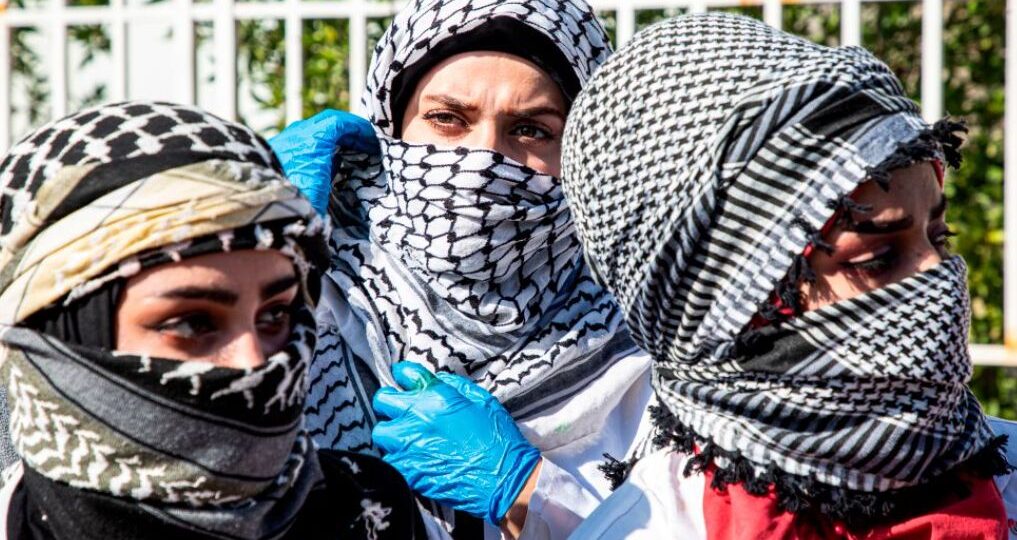
This virtual gallery brings together photographs and a testimony by Teeba Saad. Teeba is an Iraqi photographer and feminist activist. She was involved in establishing the World March of Women’s National Coordinating Body in Iraq, contributing to the strengthening of feminist organizing in the region. Her activism connects feminist struggles with the pursuit of food sovereignty, the defense of nature, and the right to land, recognizing that these are inseparable from the struggle for social justice.
In Teeba’s words, “Art is not a cultural luxury but a tool of struggle.” She sees photography as a tool that reveals the strength and memory of peoples. When it comes to women, images challenge the stereotypes that portray them as victims, placing them at the center of history and forging connections across territories. Read Teeba’s testimony and explore the photo gallery below.

A Testimony from Iraq
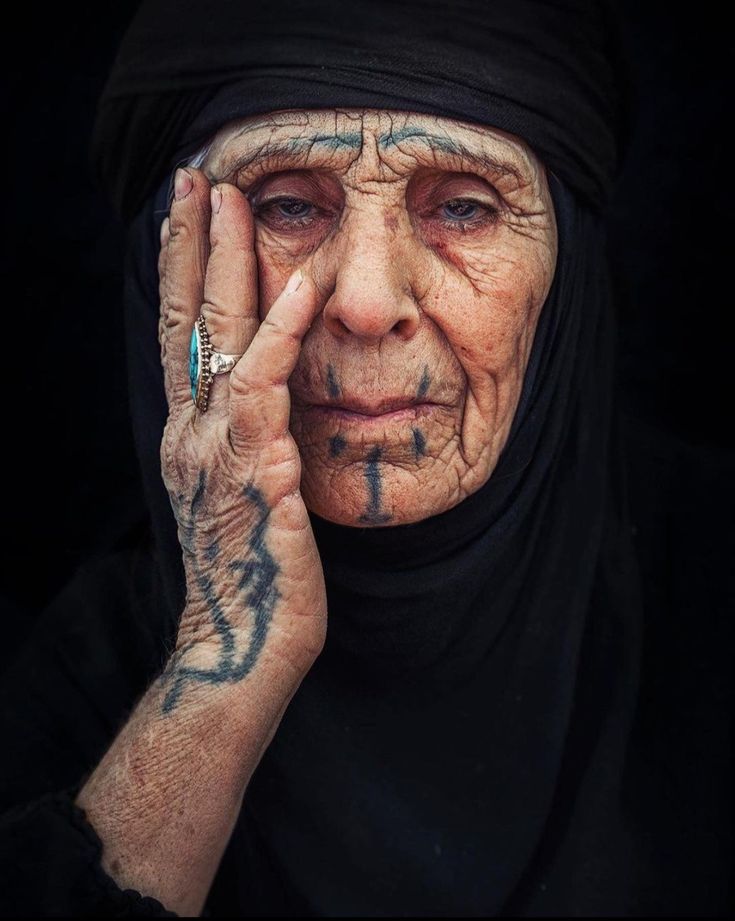
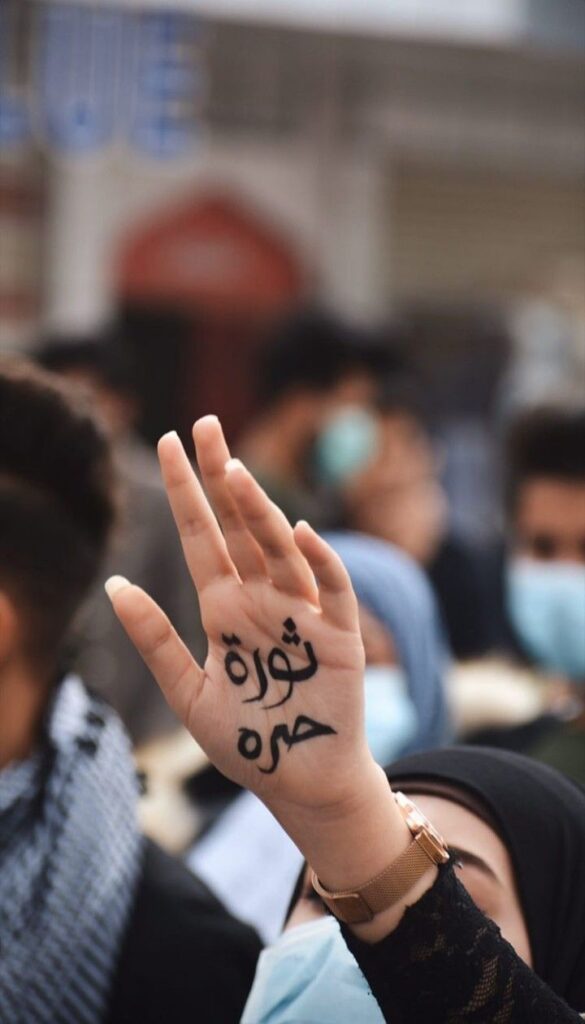
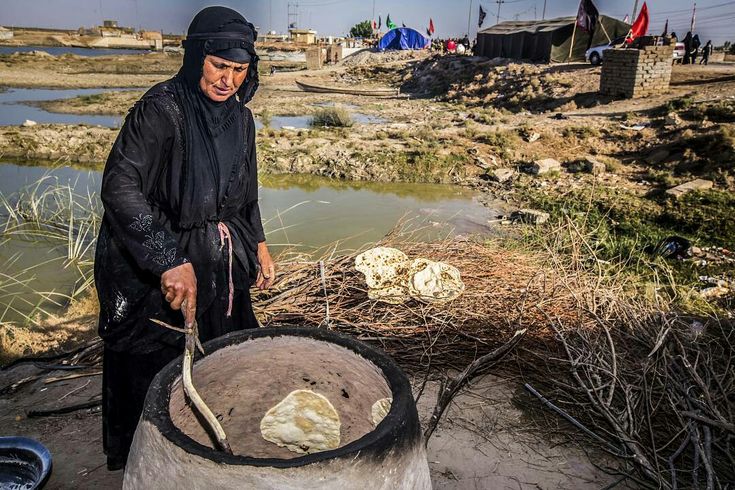
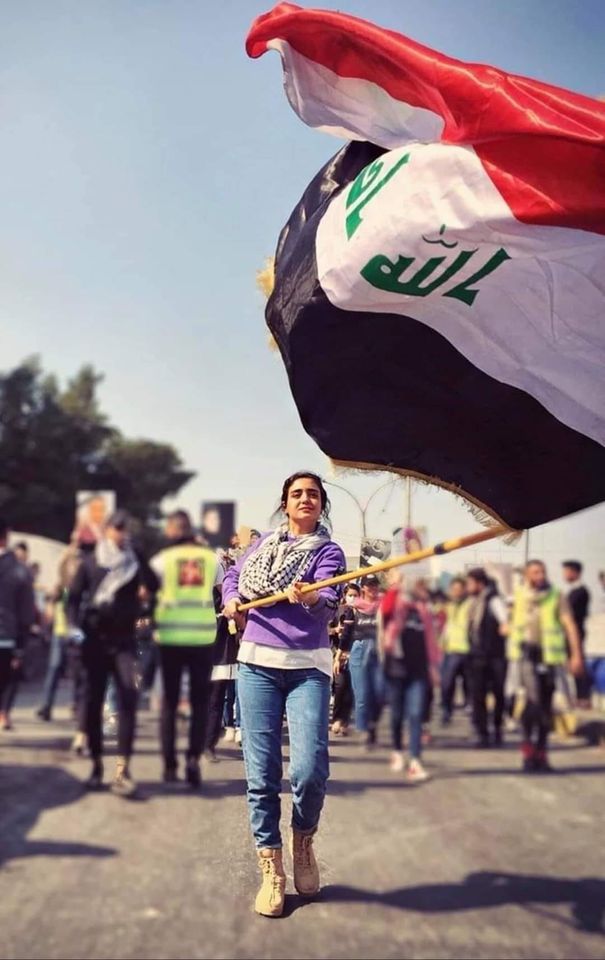
In Iraq, women are too often reduced to numbers and statistics: the number of displaced women, poverty rates, and the number of victims of war and violence. But numbers cannot tell the story of a woman who clings to life against all odds, a farmer defending her land, a worker struggling to earn a living, or a young woman raising her voice in the streets to demand freedom and justice. That is why I carry a camera.
I carry it because I fear that the stories left out of official reports will disappear. I believe that every woman has a story worth telling, that every face carries a memory, and that every photograph can become an act of resistance.
I believe that feminist solidarity is not born from speeches alone, but from organization, collective action, and the patient work of building trust among women across borders.
The World March of Women has taught me that feminism is not simply about demanding women’s rights in isolation from society. It is a liberatory political project that confronts patriarchy, capitalism, colonialism, occupation, militarization, and every system of exploitation that produces poverty and inequality and forces women to bear the heaviest burdens of crises.
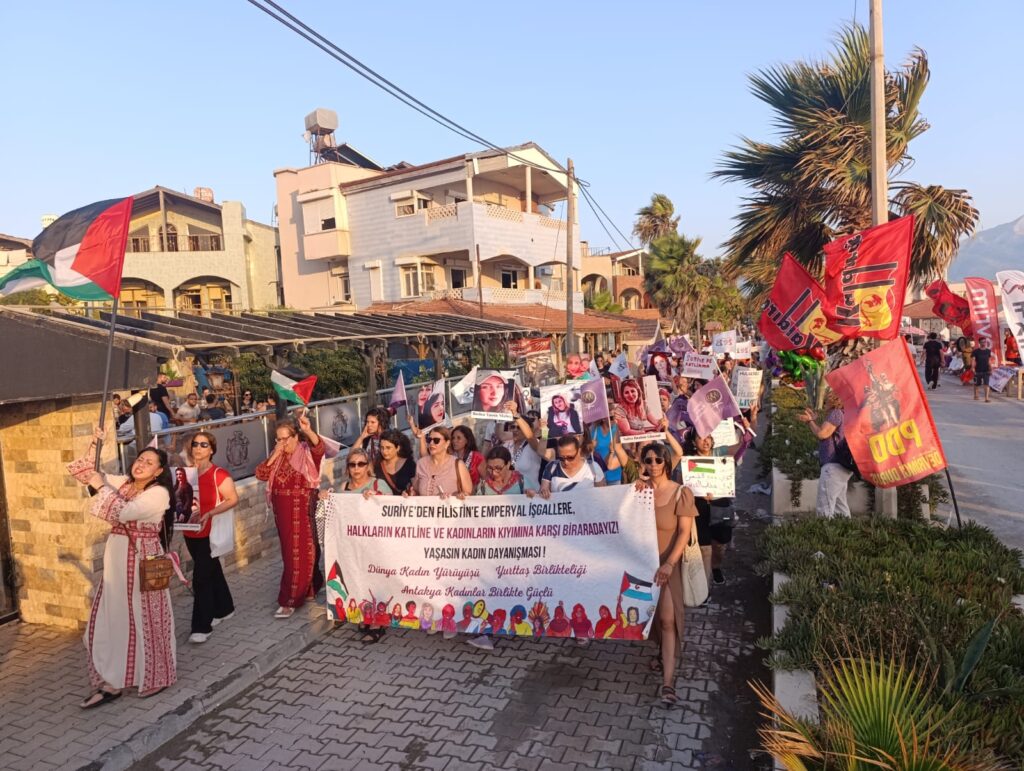
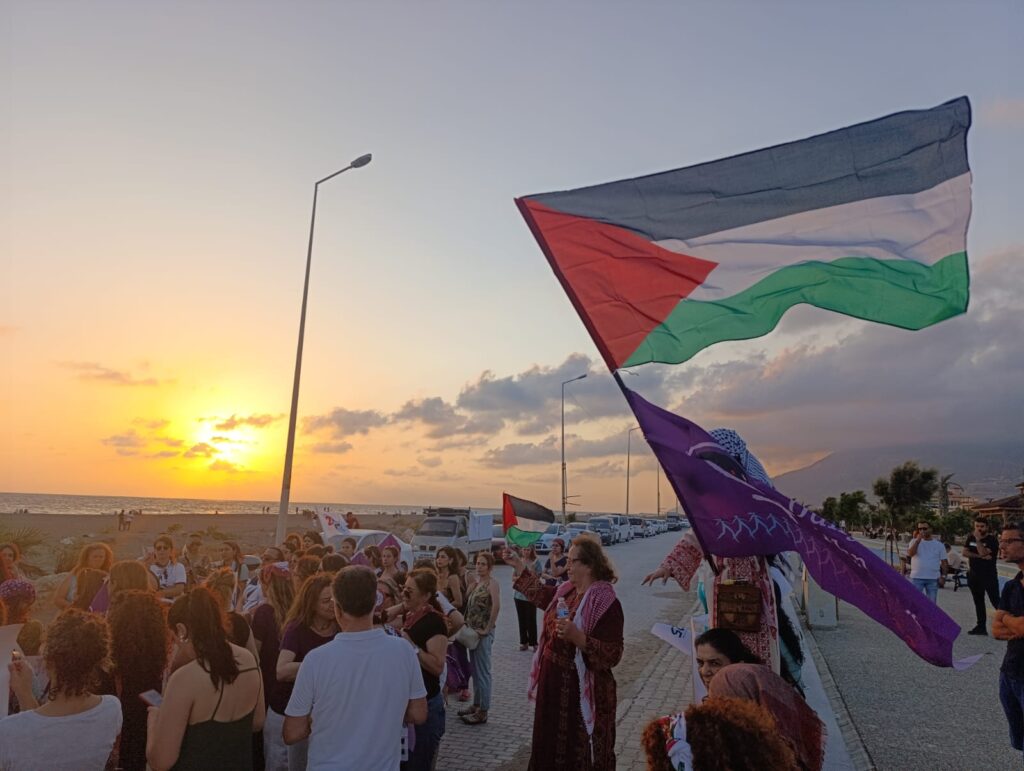
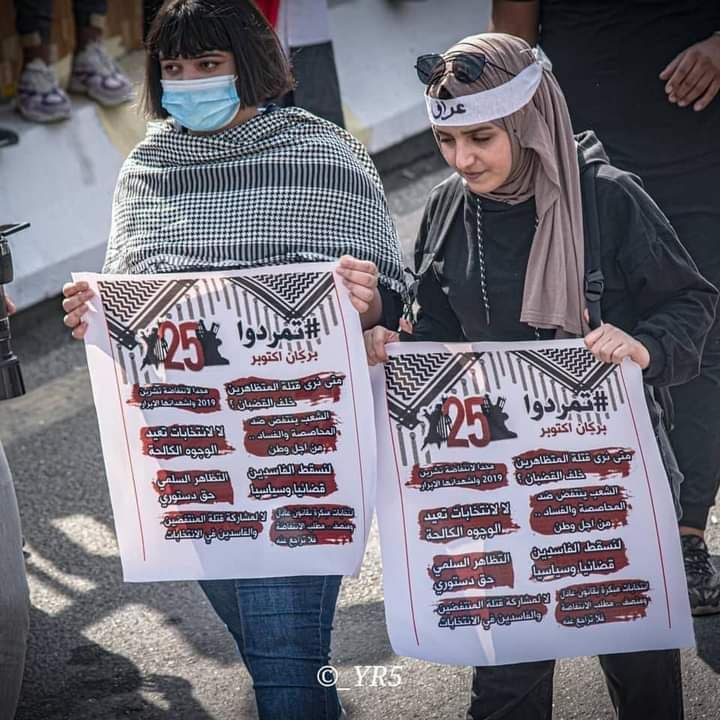
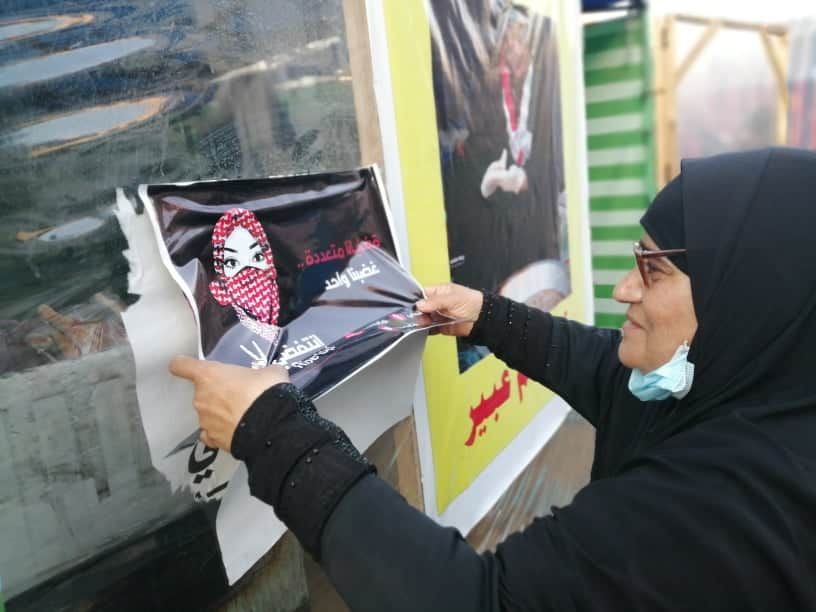
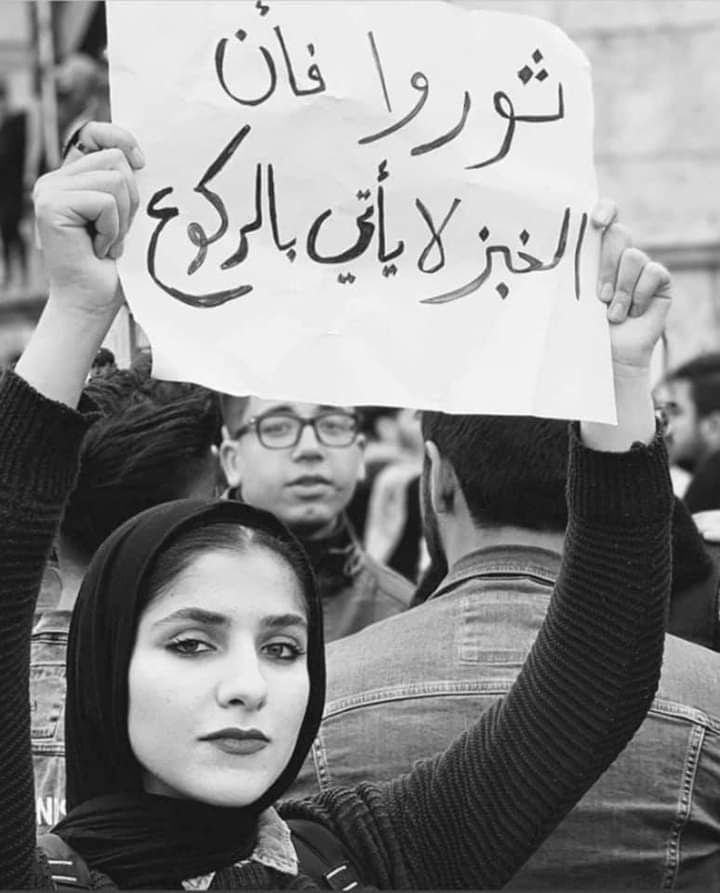
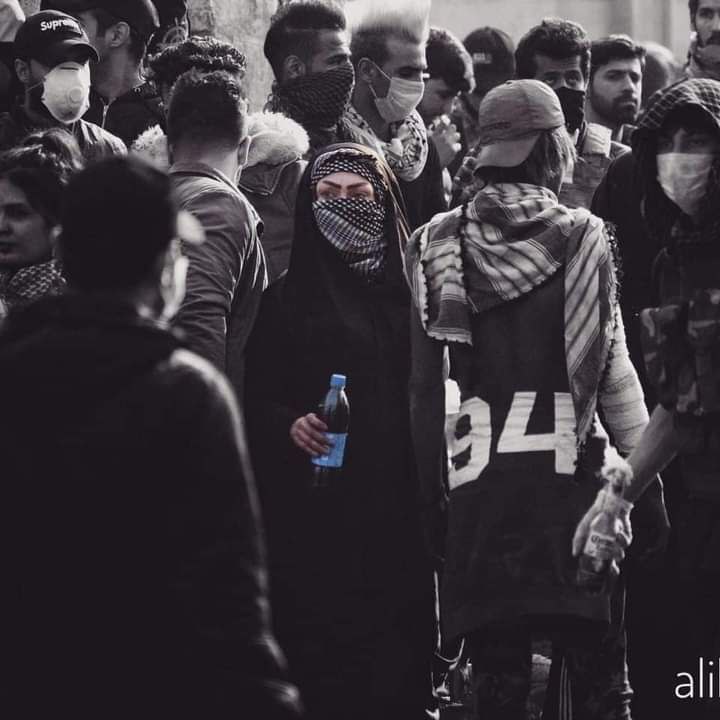
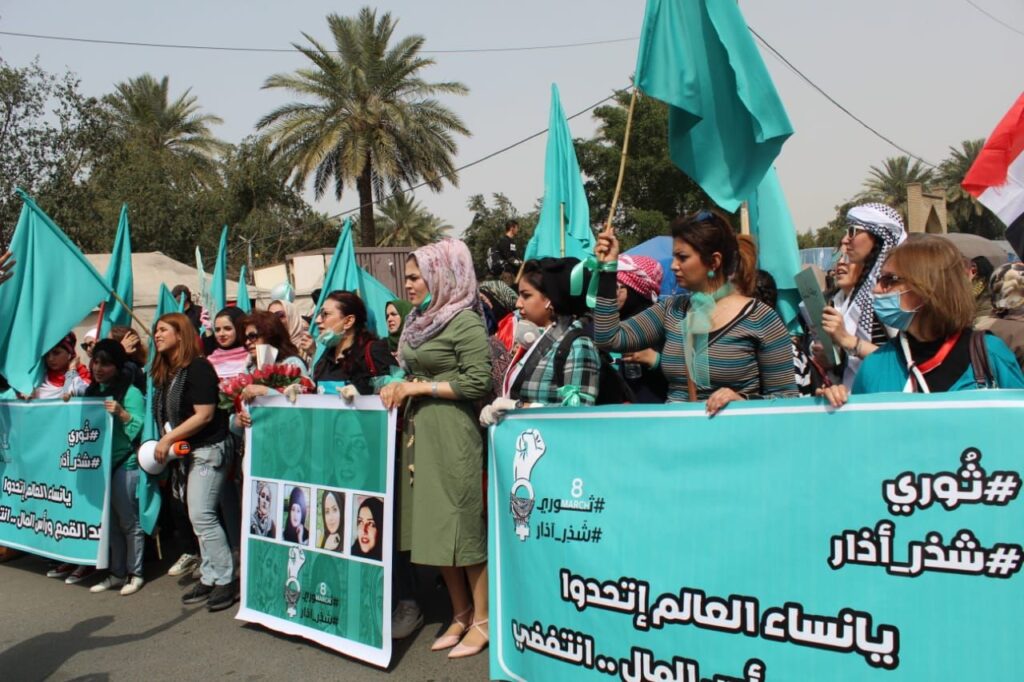
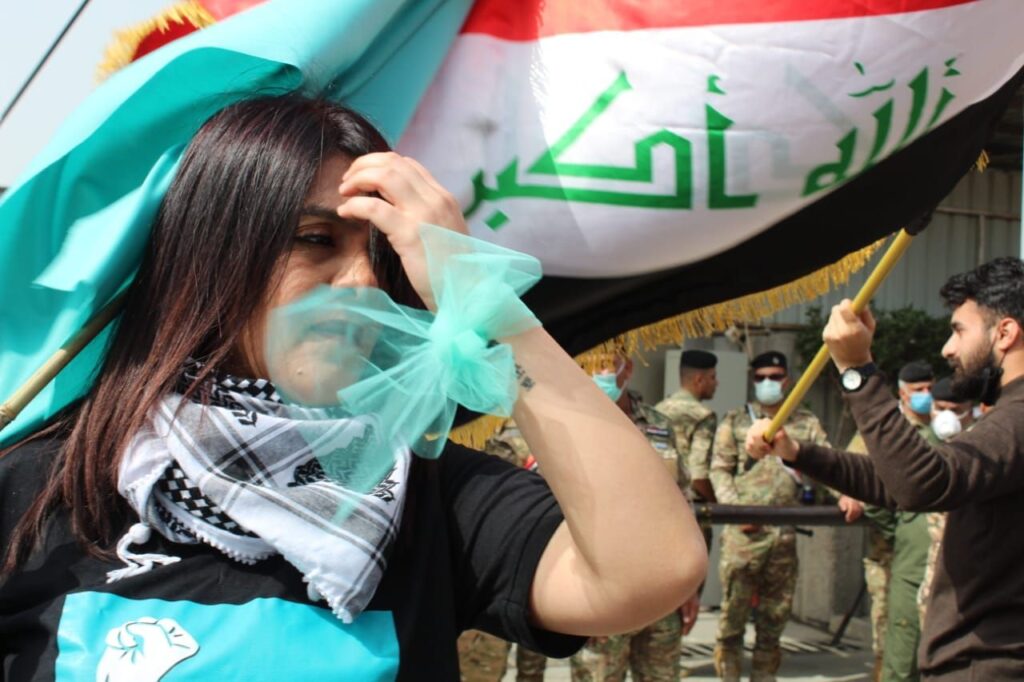
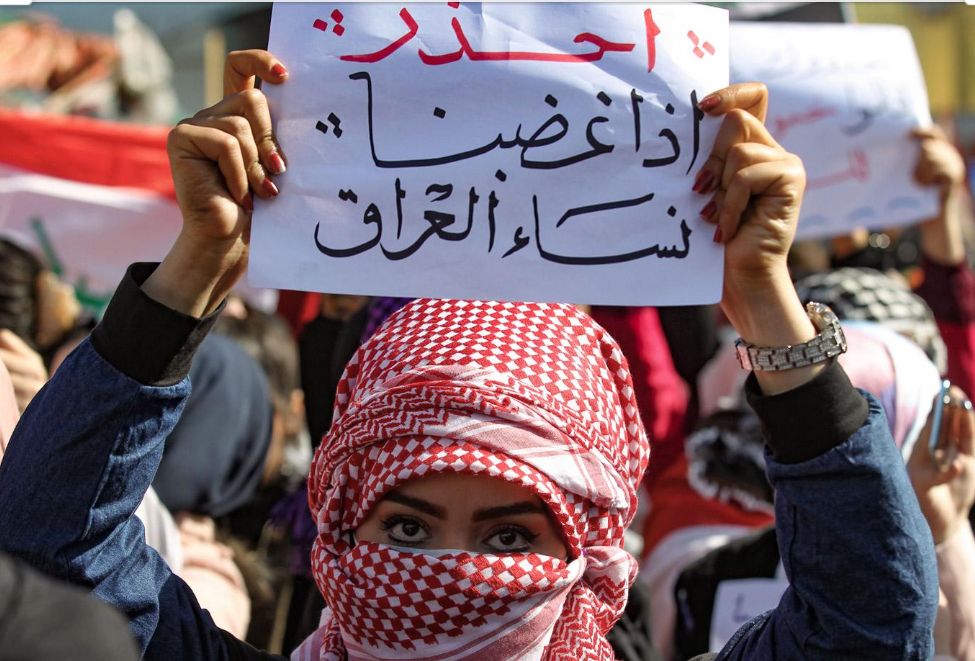
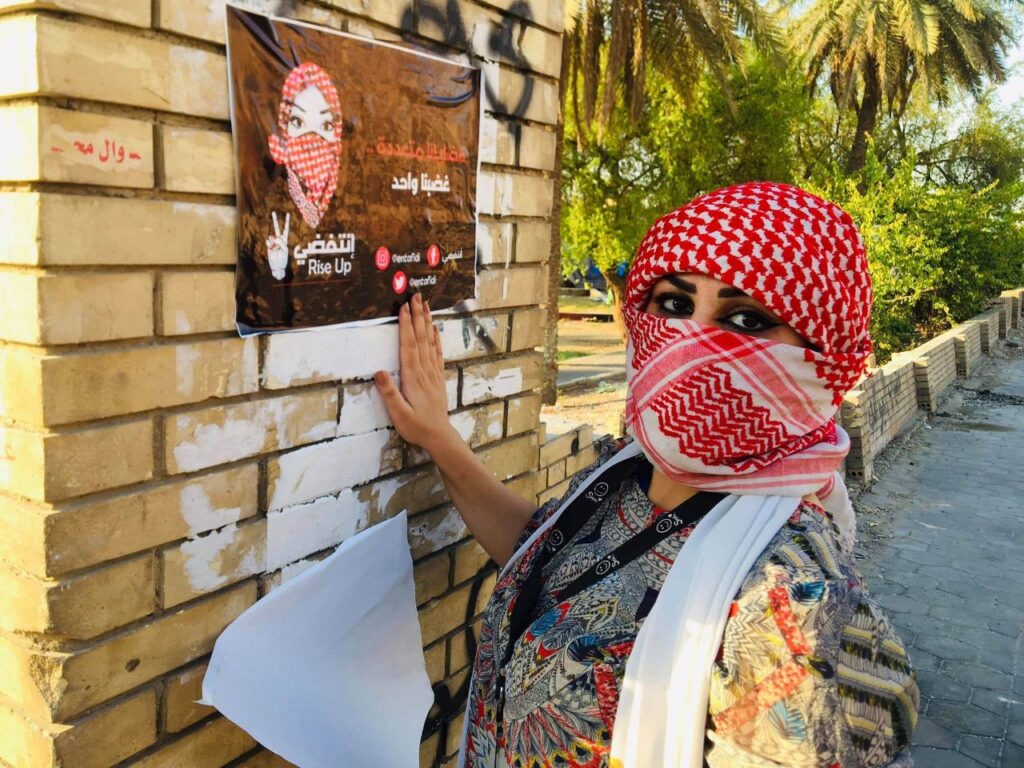
In Iraq, women live at the intersection of all these crises. Wars, displacement, corruption, deteriorating public services, economic hardship, and climate change have all intensified the burdens placed upon them. As resources are looted and communities are pushed deeper into poverty, women are expected to secure food, care for their families, and shoulder unpaid labor, while their rights and freedoms continue to be undermined. Yet through my lens, I do not see women only as victims. I see them as a collective force that creates and sustains life every day.
I see women organizing protests, leading community initiatives, working in fields, factories, schools, and hospitals, defending their land, demanding justice, and creating new forms of solidarity in the face of violence and marginalization.
Iraqi women have taught me that resistance is not always found in extraordinary moments of confrontation. More often, it lives in the daily determination to protect life, to refuse surrender, and to believe that a more just future is possible.
My experience in building the feminist movement has also taught me that solidarity is not a slogan; it is a daily practice. We build it by organizing ourselves, sharing knowledge, and forging alliances among women and popular movements. Real change is never the work of individual heroines—it is created when women move together.
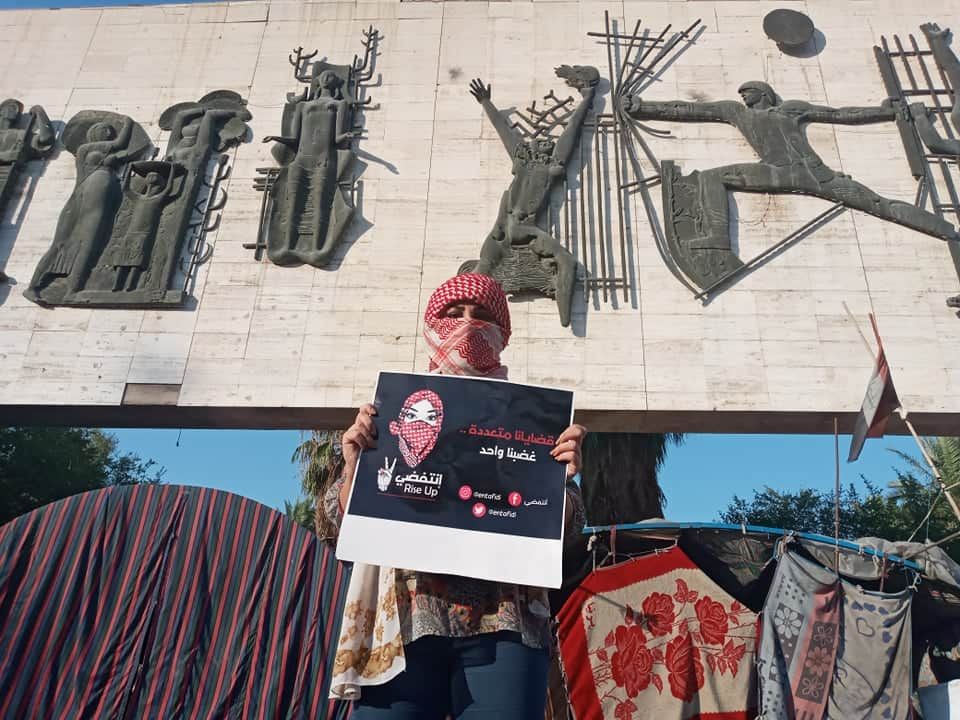
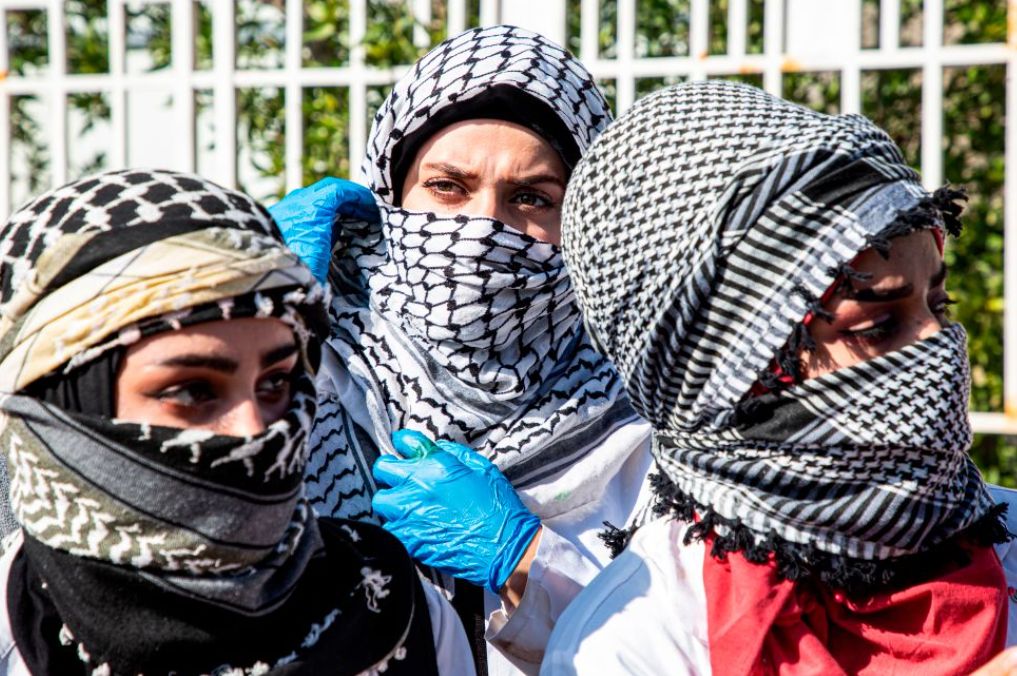
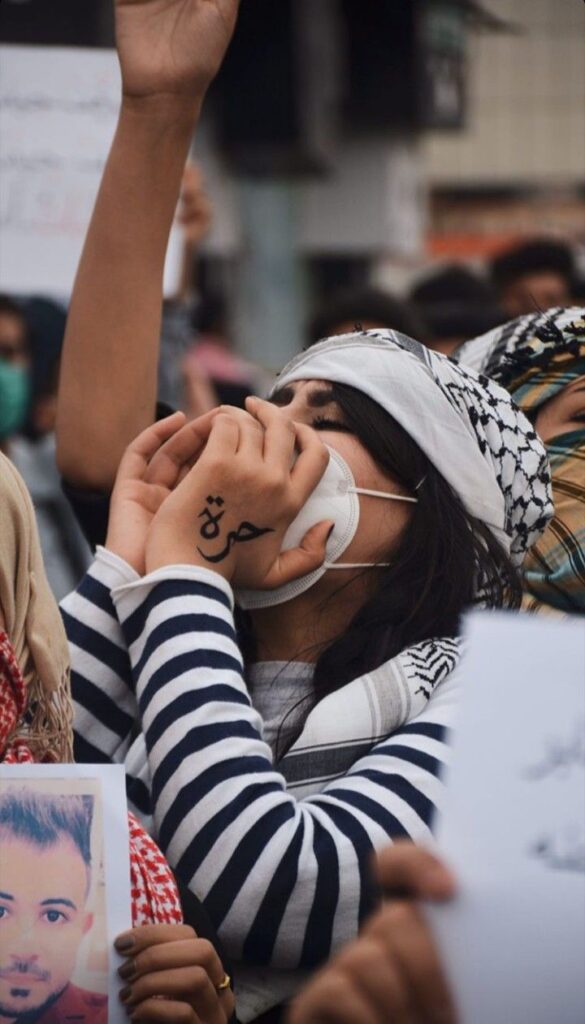
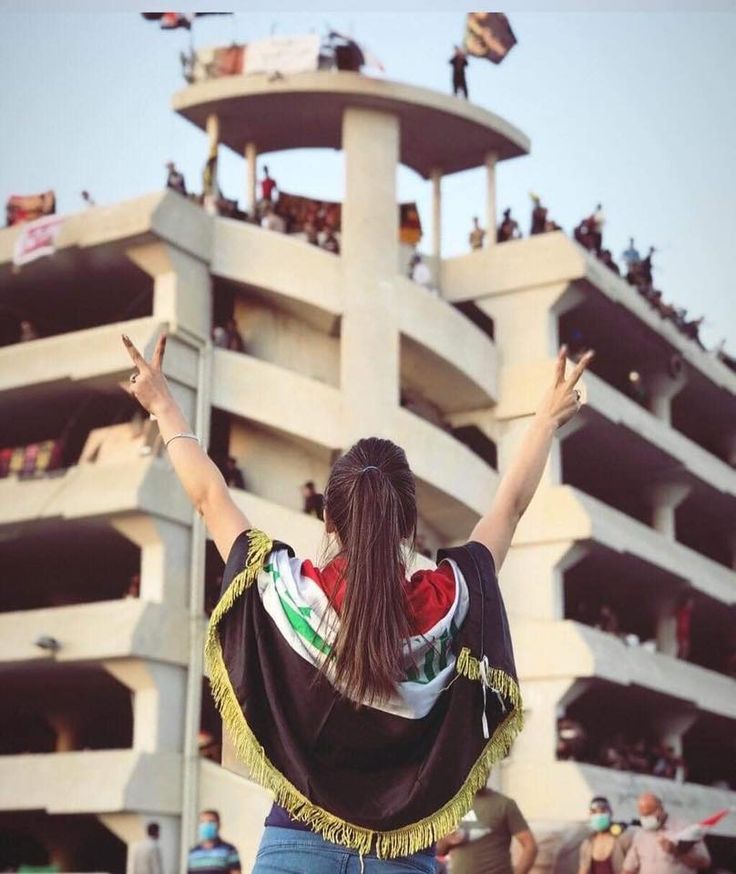
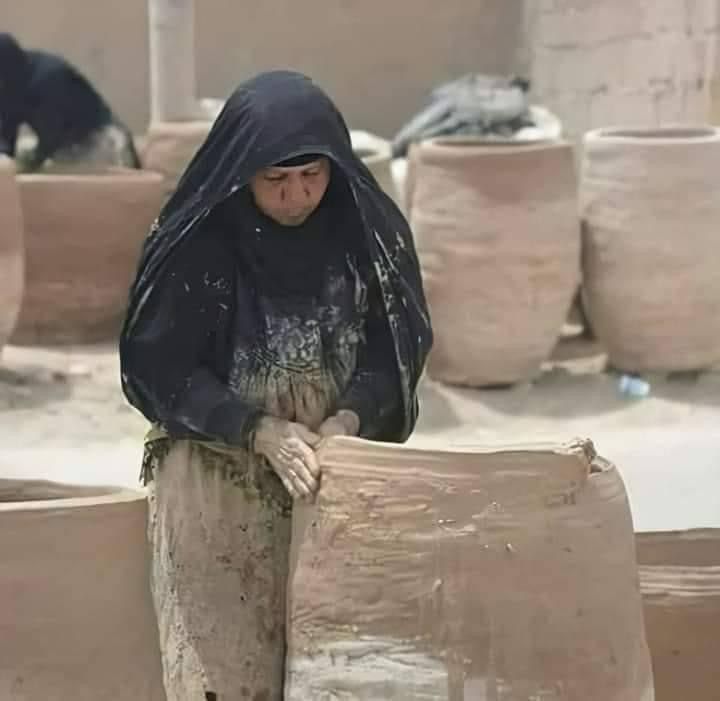
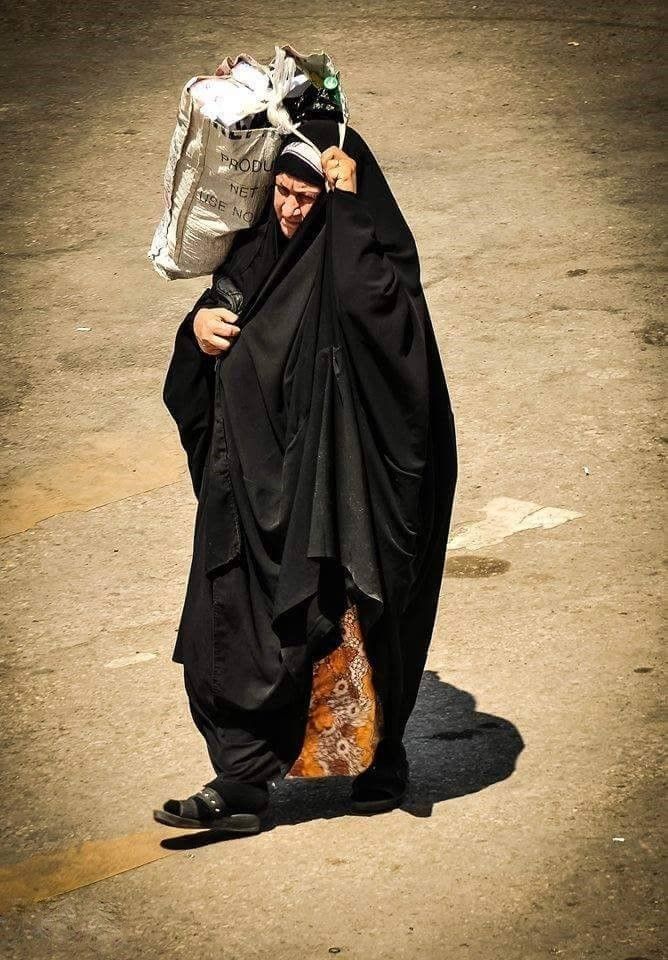
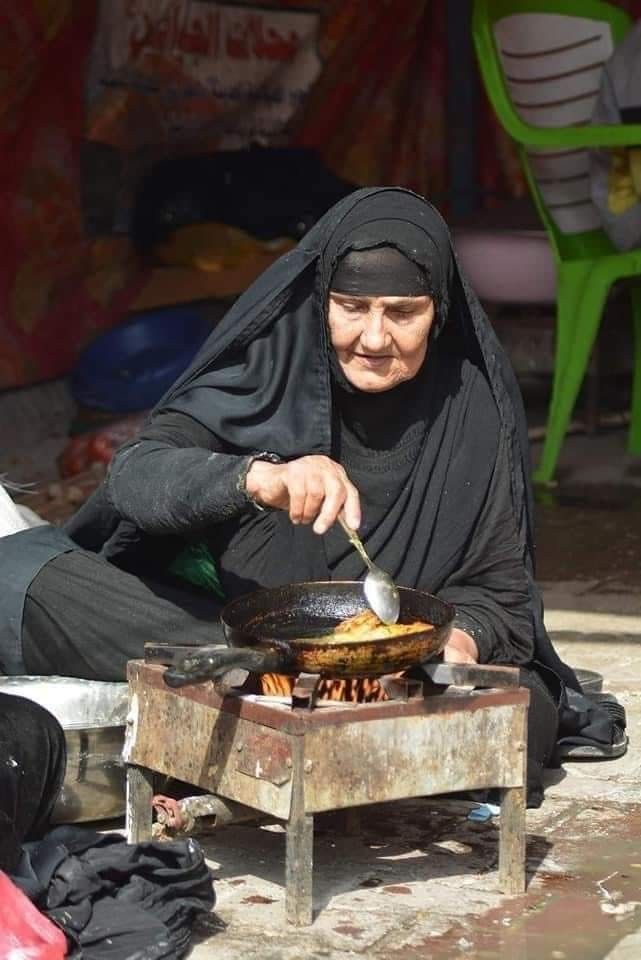
That is why I do not photograph suffering alone; I document resistance. When I photograph a worker, a farmer, a student, a protester, or a woman rebuilding her life after war, I am not simply capturing an individual story. I am preserving the collective memory of women who refuse to surrender and who continue to defend life despite every form of oppression.
I believe that art is not a cultural luxury but a tool of struggle. Photography can reveal what power seeks to conceal, preserve the memory of peoples, and challenge the stereotypes that reduce women to passive victims. It gives faces their names, stories their rightful place in history, and builds bridges of solidarity among women across the world. That is why I cannot separate the camera from activism.
Every photograph I take is both a political and an ethical position. It is a declaration of solidarity with women who continue to defend life against death—with workers, farmers, displaced women, students, mothers, and activists who prove every day that history is not made by those in power alone, but also by women who refuse silence.
I believe that photography, like activism, cannot change the world on its own. But it can help us see the world more clearly. It preserves memory and gives women the right to appear through their own voices, faces, and stories.
That is why I will continue to carry my camera. Not only to document Iraqi women, but to affirm that their resistance is inseparable from the struggles of women in Palestine, Sudan, the Democratic Republic of the Congo, Latin America, and everywhere women confront war, colonialism, occupation, capitalism, racism, and patriarchy.
Freedom cannot be divided, and justice cannot be confined within national borders. For me, feminist struggle is a project to liberate life itself from every form of exploitation and violence, and to build a world where dignity is a right enjoyed by everyone.
Some may think that I photograph women. The truth is that women shape the way I see the world. Through them, I have learned that resistance is not an exceptional event but a daily practice, and that solidarity is not merely a word—it is action.
That is why I will continue to carry my camera. Because I believe that every honest photograph is an act of resistance, and every woman who refuses silence writes history.
These images are more than records of a single moment; they are testimony that Iraqi women are not victims waiting to be saved. They are political actors, creators of life, and indispensable participants in the global struggle for freedom, justice, and equality.
![Call for Poster Submissions: Popular and Anti-racist Feminism for Reparations and Buen Vivir [good living]](https://capiremov.org/wp-content/uploads/2026/08/chamado_antirracista-360x240.jpg)